

ashelykindler7
About ashelykindler7
Revolutionizing Plane Rental Costs: A New Era of Affordability and Accessibility
In the ever-evolving landscape of aviation, the rental of private planes has traditionally been viewed as a luxury reserved for the affluent elite or businesses with substantial budgets. However, recent advancements in technology, innovative business models, and a growing demand for personalized travel experiences are transforming the plane rental industry. This article explores the demonstrable advances in plane rental costs, highlighting how these changes are making air travel more affordable and accessible to a broader audience.
The Shift Towards Dynamic Pricing Models
One of the most significant advancements in plane rental costs is the adoption of dynamic pricing models. Much like the airline industry, which has long utilized algorithms to adjust ticket prices based on demand, plane rental companies are now employing similar strategies. These models take into account a variety of factors, including time of booking, flight demand, aircraft availability, and even weather conditions.
For instance, companies like JetSuite and Blade have begun to implement dynamic pricing, allowing customers to book flights at lower rates during off-peak times or when demand is less intense. This flexibility not only makes renting a plane more affordable but also encourages travelers to consider private aviation for short trips or business travel, which they might have previously dismissed as too expensive.
The Rise of Membership-Based Models
Another notable advancement in plane rental costs is the introduction of membership-based models. Companies such as Wheels Up and Surf Air are leading the charge by offering subscription services that allow members to access a fleet of aircraft at a fraction of the traditional rental cost.
For a monthly fee, members can book flights with minimal notice, eliminating the high costs associated with last-minute rentals. This model democratizes access to private aviation, enabling more individuals and small businesses to leverage the benefits of flying privately without the financial burden typically associated with owning or renting a plane outright.
Technology-Driven Cost Reductions
Technological advancements are also playing a crucial role in reducing plane rental costs. The integration of advanced software solutions for fleet management and booking systems streamlines operations, leading to lower overhead costs for rental companies.
Moreover, the rise of digital platforms has made it easier for renters to compare prices, book flights, and manage their travel itineraries. Companies like FlyExclusive and PrivateFly provide user-friendly online platforms that allow customers to view available aircraft, compare prices, and read reviews, ensuring they get the best deal possible.
Peer-to-Peer Aircraft Rental
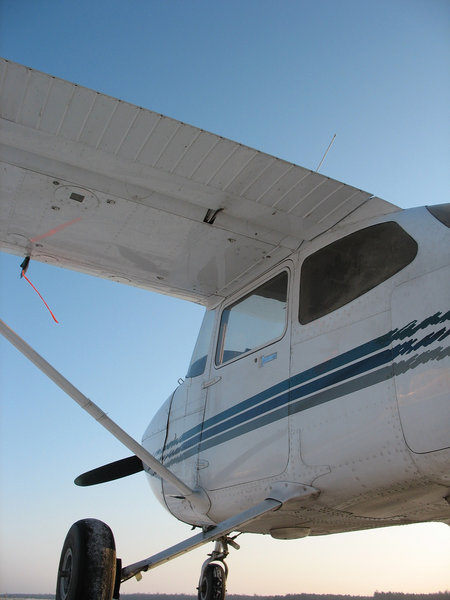
The emergence of peer-to-peer aircraft rental platforms represents another groundbreaking shift in the industry. Similar to how Airbnb revolutionized the hospitality sector, companies like PlaneSense and FlyHaven are enabling private aircraft owners to rent out their planes when they are not in use.
This model not only allows owners to offset the costs of ownership but also provides renters with a wider variety of aircraft options at competitive prices. By connecting renters directly with aircraft owners, these platforms eliminate the middleman, reducing costs and increasing transparency in pricing.
Increased Competition in the Market
As more companies enter the plane rental market, competition is driving prices down. This increased competition has led to innovative pricing strategies, enhanced customer service, and more options for consumers.
Established companies are now forced to adapt to the changing landscape by offering more competitive rates and improved services. This shift benefits consumers, who can now choose from a range of providers and select the one that best fits their budget and travel needs.
Environmental Considerations and Cost Efficiency
As sustainability becomes a priority for travelers, the plane rental industry is responding with more fuel-efficient aircraft and eco-friendly practices. Companies are investing in newer models that consume less fuel and produce lower emissions, which can ultimately lead to cost savings for renters.
Additionally, some rental companies are exploring carbon offset programs, allowing customers to contribute to environmental initiatives while enjoying their flights. This focus on sustainability not only appeals to environmentally conscious travelers but also helps to reduce operational costs, which can be passed on to consumers.
The Impact of COVID-19 on Plane Rental Costs
The COVID-19 pandemic has had a profound impact on the aviation industry, including plane rentals. If you treasured this article and you also would like to obtain more info pertaining to Privatejetcardreview.com kindly visit our own web site. As commercial airlines faced significant declines in travel demand, many travelers turned to private aviation as a safer alternative. This shift in consumer behavior has led to an increased demand for plane rentals, prompting companies to adjust their pricing strategies to accommodate this new market.
In response to the pandemic, many rental companies have introduced flexible booking policies and enhanced hygiene measures, making it more attractive for travelers to choose private flights. This adaptability has helped maintain competitive pricing while ensuring safety and comfort for renters.
Conclusion: A Bright Future for Plane Rental Costs
The advancements in plane rental costs are paving the way for a more inclusive and accessible aviation experience. With dynamic pricing models, membership-based services, peer-to-peer rentals, and increased competition, the barriers to private air travel are gradually being dismantled.
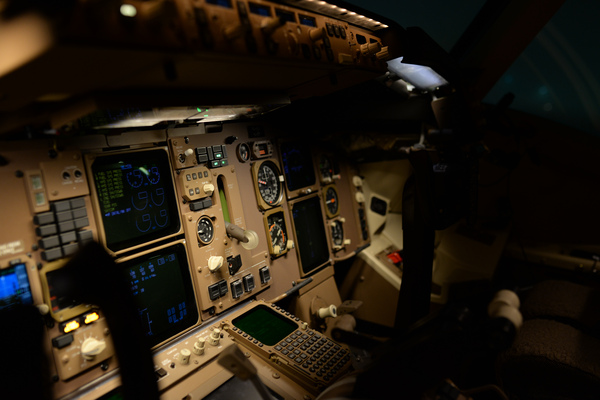
As technology continues to evolve and consumer preferences shift, the plane rental industry is poised for further transformation. The combination of affordability, flexibility, and innovation will undoubtedly attract a wider audience, making private aviation a viable option for more individuals and businesses than ever before.
In summary, the future of plane rental costs looks promising, with ongoing advancements promising to enhance accessibility and affordability for all travelers. As the industry continues to evolve, it will be exciting to see how these changes will shape the way we think about and experience air travel.
No listing found.